More Than Just a Taste: Why Seasonal Water Changes Matter
You turn on the tap expecting consistency—but have you ever noticed your water sometimes smells different in the summer? Or that dishes spot more easily, or your skin feels drier in the winter?
These subtle changes aren’t just in your head. Water quality fluctuates with the seasons, and those shifts can impact everything from your plumbing system to your appliances—and even your health.
While municipal water systems work hard to keep supply within regulation, seasonal variables still make their way into your home’s water lines. Understanding how and why this happens can help you recognize when it’s time to take action.
What Affects Water Quality Throughout the Year?
Several environmental and infrastructure-related factors cause water quality to shift from season to season. Here’s what’s happening behind the scenes:
1. Temperature Changes Affect Chemical Treatment
During warmer months, water tends to move more quickly through treatment and distribution systems. Combined with higher temperatures, this can affect how disinfectants like chlorine behave—leading to noticeable changes in taste or smell.
2. Heavy Rainfall and Runoff in Spring & Summer
Stormwater runoff can carry sediments, agricultural residue, and organic materials into water sources. Even with treatment, this can lead to discoloration, odor, or increased mineral content—especially in areas that rely on surface water.
3. Drought and Concentration
In dry months, water levels drop and dissolved mineral concentrations increase. That can lead to harder water, more scaling, and residue in fixtures, on dishes, or in appliances like water heaters and dishwashers.
Homeowners in Westchester County are particularly familiar with this pattern. The area’s water supply is known for moderate to high mineral content, and during dry stretches that concentration becomes more pronounced, accelerating scaling in water heaters, tankless units, and fixtures.
4. Winter Freezing and Pipe Integrity
Colder months can cause pipes to contract, especially in older homes, which may stir up sediment and lead to discoloration or odd-tasting water. Ice formation in or around plumbing systems can also disturb flow and pressure, even if freezing doesn’t occur directly inside the line.
Signs Seasonal Water Changes Are Affecting Your Home
Some water changes are normal. But others signal that your home’s infrastructure might be amplifying the issue:
- Cloudy or discolored water
- A metallic or earthy taste, especially after rainfall
- Chalky white residue on faucets, sinks, or dishes
- Dry skin or hair despite no change in products
- Sediment in the bottom of your kettle or humidifier
- Shortened lifespan of water-using appliances
These can all point to seasonal shifts revealing vulnerabilities in your plumbing system or filtration setup.
Why It’s Not Always the Municipality’s Fault
Municipal water is treated and regulated—but it can only do so much once it enters your home. If your plumbing is aging, corroded, or lacking proper filtration, seasonal changes in water chemistry will highlight those weak points more aggressively.
Similarly, homes that rely on well water can experience even more pronounced changes, since wells are more directly affected by weather patterns and ground conditions.
When to Call a Professional
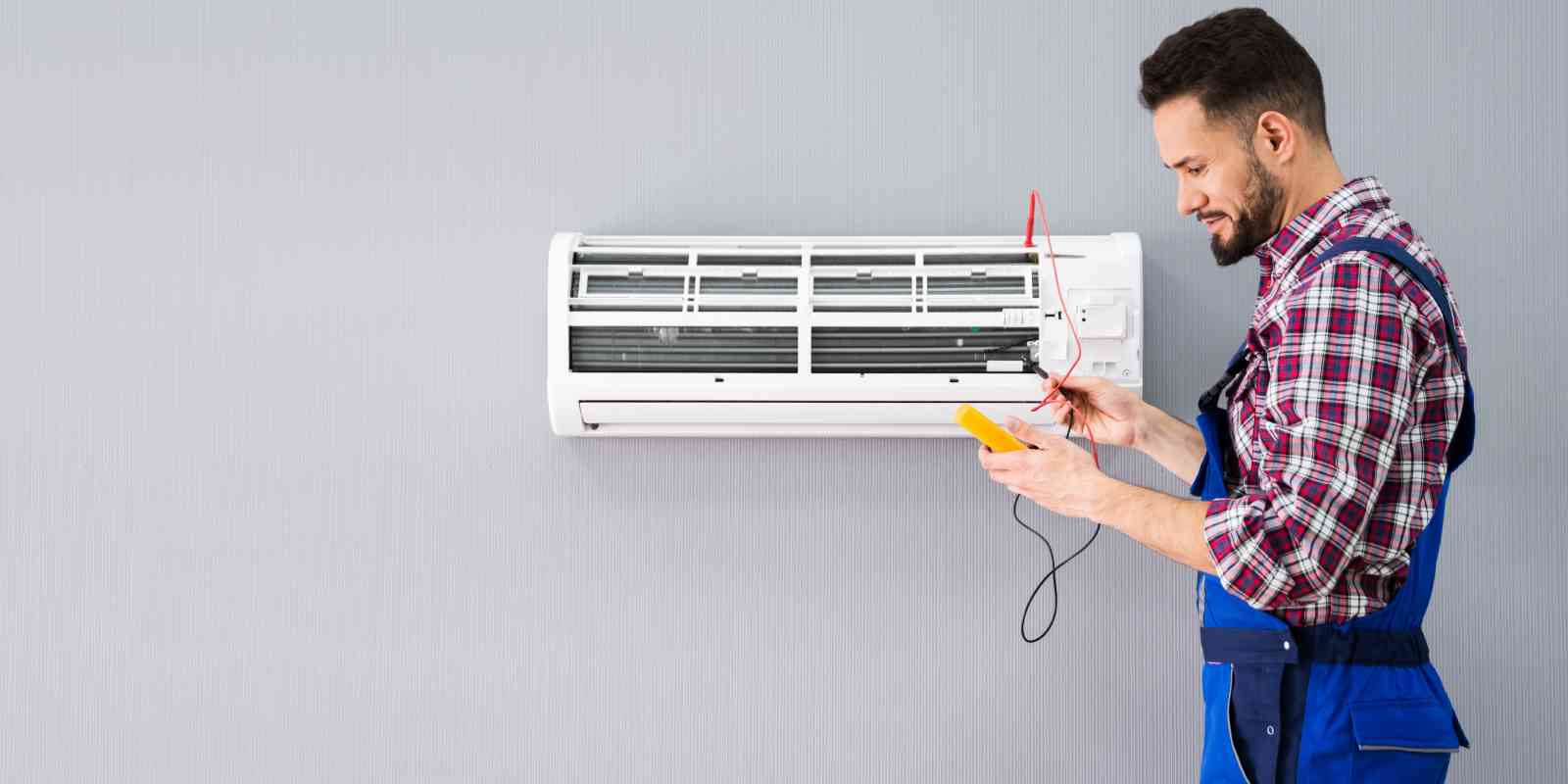
If you’ve noticed ongoing water quality issues—especially ones that flare up seasonally—it’s worth having a professional inspect:
- Pipe condition and material (especially in older homes)
- Water pressure irregularities
- Sediment buildup in fixtures or water heaters
- The need for point-of-entry or under-sink filtration systems
- Whether hard water or scaling is damaging appliances
These issues are rarely resolved with filters alone—and left unaddressed, they can lead to costly repairs or premature system failures.
What Westchester Homeowners Should Know About Their Local Water
Seasonal water quality shifts hit differently depending on where you live, and Westchester County has a few characteristics worth knowing. The area’s aging infrastructure, combined with hilly terrain that affects how sediment moves through pipes, means that seasonal disruptions to water pressure or quality tend to be more noticeable here than in areas with newer distribution systems.
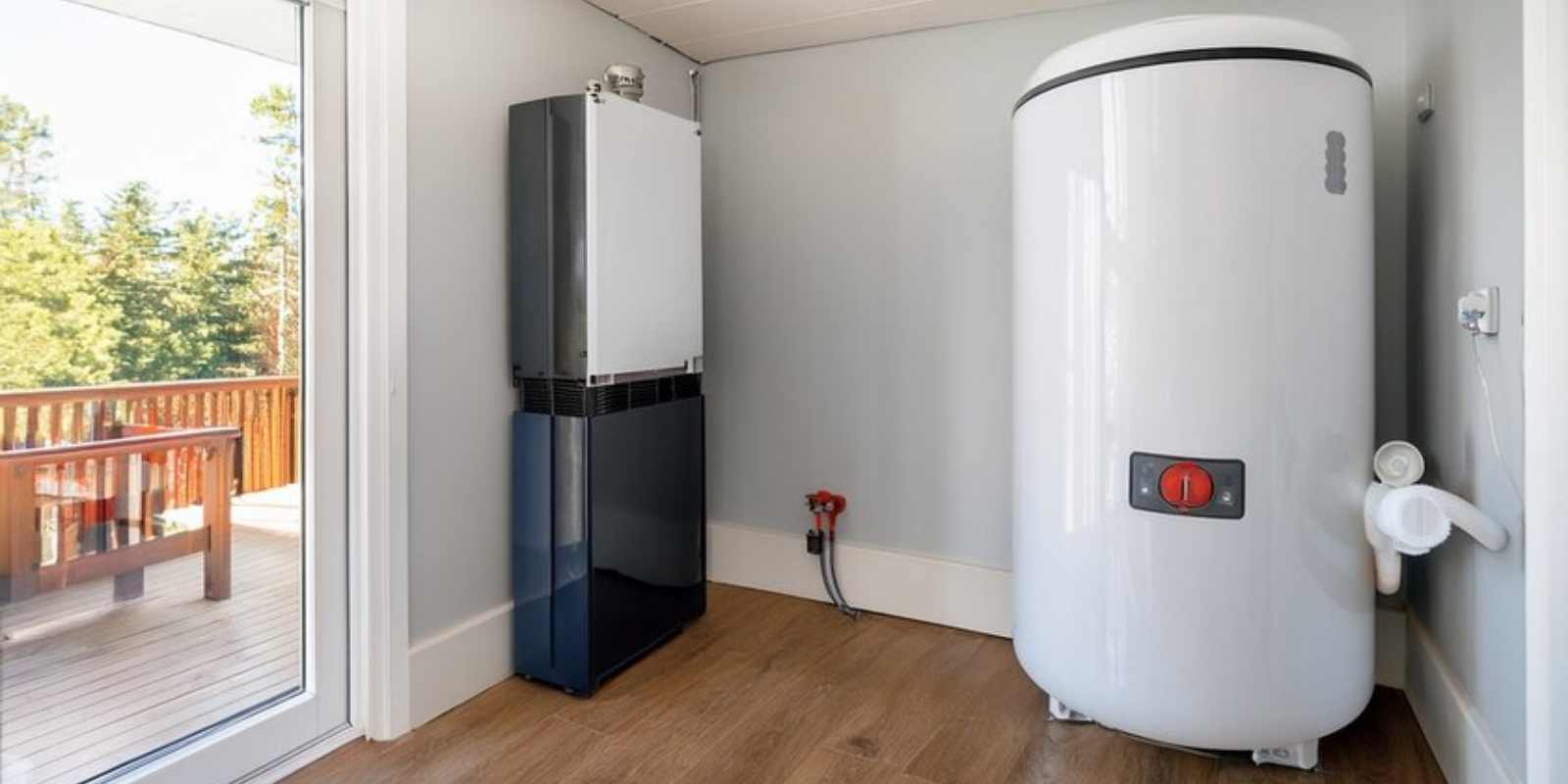
Hard water is a consistent reality for many households in the county. While it’s not a health risk, it accelerates the deterioration of water heaters, tankless units, and other appliances, and the effect compounds over time if scaling is never addressed. Homeowners who notice chalky buildup on fixtures or a rumbling sound from their water heater are usually dealing with mineral deposits, not equipment failure.
For residents receiving plumbing and water heater services in Hastings-on-Hudson and surrounding areas, 黑料吃瓜 recommends an annual water heater inspection, particularly ahead of winter when demand on the system increases. Catching sediment buildup or early signs of scaling before the cold season saves both the appliance and the repair bill.
Final Thoughts
Water quality doesn’t stay constant—and your home’s plumbing system plays a bigger role than most people realize in how seasonal changes affect what comes out of your tap.
If you’ve noticed a difference, trust that it’s not “just the weather.” It might be your system telling you it’s time to take a closer look.